Wstęp
Depresja, często postrzegana jako jedno z największych wyzwań zdrowia psychicznego w nowoczesnym świecie, dotyka milionów ludzi niezależnie od wieku, płci czy statusu społecznego. Charakteryzująca się głębokim smutkiem, utratą zainteresowania aktywnościami, które wcześniej sprawiały przyjemność, a także szeregiem innych symptomów. Może mieć poważny wpływ na codzienne życie osoby nią dotkniętej. Zrozumienie depresji jest kluczowe dla efektywnego wsparcia i leczenia. Ten artykuł ma na celu nie tylko zapewnienie podstawowej wiedzy na temat depresji, ale także przedstawienie praktycznych sposobów radzenia sobie z łagodnymi stanami depresyjnymi, które mogą stanowić pomoc zarówno dla osób bezpośrednio dotkniętych tym problemem, jak i ich bliskich. Bardziej rozbudowane omówienie tematyki depresji znajduje się we wpisie Depresja – przewodnik psychologa
Depresja — podstawowe informacje
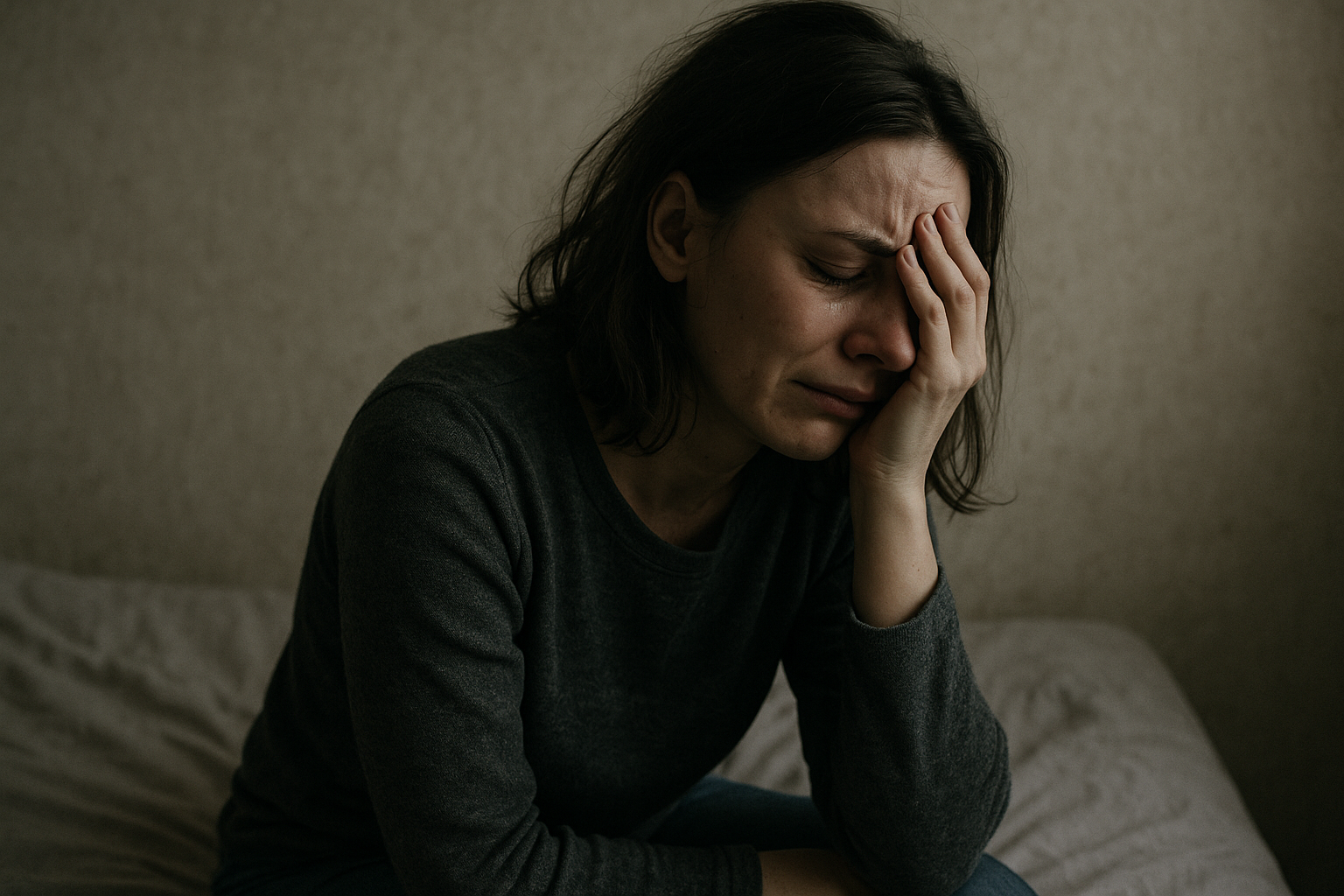
Depresja charakteryzuje się przewlekłym poczuciem smutku, brakiem energii, trudnościami w koncentracji, zaburzeniami snu oraz zmianami apetytu. Może również prowadzić do myśli samobójczych. Przyczyny depresji są złożone i często obejmują kombinację czynników genetycznych, biologicznych, środowiskowych i psychologicznych. Ważne jest, aby rozumieć, że depresja nie jest tylko “złym samopoczuciem” czy “słabością charakteru”, ale poważnym stanem zdrowia, który wymaga odpowiedniego leczenia.
Dystymia – przewlekła forma depresji
Dystymia, znana również jako przewlekłe zaburzenie depresyjne, charakteryzuje się długotrwałym, choć często mniej intensywnym niż w klasycznej depresji, uczuciem smutku i zniechęcenia. Osoby cierpiące na dystymię mogą doświadczać uczucia beznadziei, zmęczenia, niskiej samooceny i trudności w podejmowaniu codziennych czynności. Chociaż objawy dystymii są zazwyczaj mniej drastyczne niż w przypadku poważnej depresji, ich długotrwały charakter może znacząco wpływać na jakość życia i funkcjonowanie.
Radzenie sobie z łagodnymi stanami depresyjnymi
Radzenie sobie z łagodnymi stanami depresyjnymi wymaga kompleksowego podejścia, które uwzględnia zarówno fizyczne, psychiczne, jak i środowiskowe aspekty życia. Oto kilka strategii, które mogą pomóc w zarządzaniu tymi stanami.
Terapia i wsparcie psychologiczne
- Terapia poznawczo-behawioralna (CBT): Pomaga w identyfikacji i zmianie negatywnych wzorców myślenia oraz zachowań.
- Porady psychologiczne: Umożliwiają rozmowę o problemach i uczuciach w bezpiecznym środowisku.
- Grupy wsparcia: Pozwalają na wymianę doświadczeń z innymi osobami doświadczającymi podobnych problemów.
Aktywność fizyczna i zdrowy styl życia
- Regularne ćwiczenia: Aktywność fizyczna może znacząco poprawić nastrój i zmniejszyć objawy depresji.
- Zdrowa dieta: Zbilansowane odżywianie wspiera ogólne samopoczucie.
- Dostateczna ilość snu: Dobrej jakości sen jest kluczowy dla zdrowia psychicznego.
Techniki relaksacyjne i mindfulness
- Medytacja i uważność (mindfulness): Pomagają w skupieniu się na teraźniejszości i redukcji stresu.
- Joga i tai chi: Łączą ćwiczenia fizyczne z relaksacją umysłu.
- Techniki oddechowe: Pomagają w radzeniu sobie z momentami niepokoju i stresu.
Wsparcie społeczne
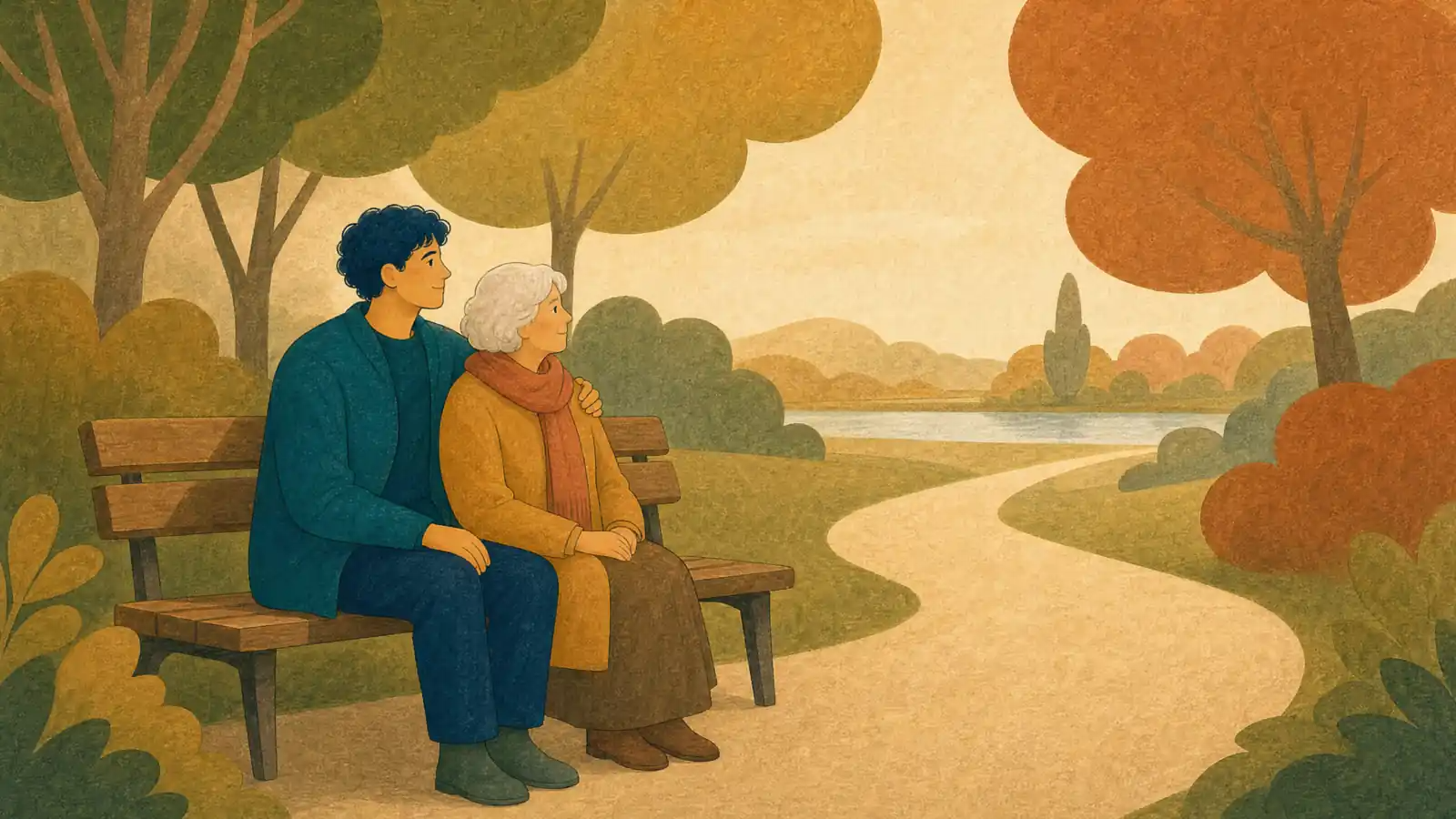
- Komunikacja z rodziną i przyjaciółmi: Budowanie silnych relacji jest kluczowe.
- Udział w życiu społecznym: Pomaga w łagodzeniu poczucia izolacji.
Samopomoc i techniki zarządzania stresem
- Prowadzenie dziennika: Pomaga w wyrażaniu i rozumieniu emocji.
- Hobby i kreatywne działania: Malowanie, pisanie, muzyka mogą być formami terapeutycznymi.
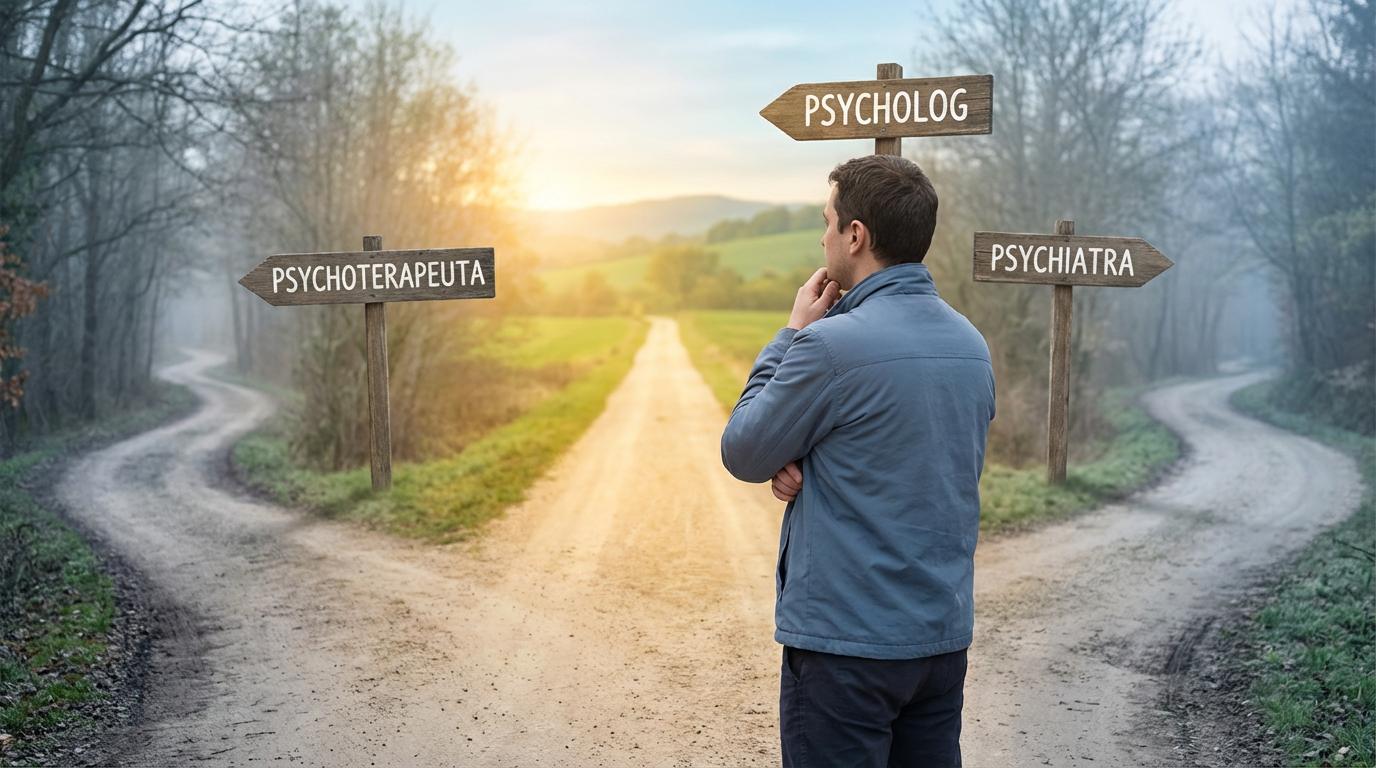
Szukanie profesjonalnej pomocy
- Jeżeli objawy utrzymują się lub pogarszają, ważne jest, aby skontaktować się z lekarzem lub terapeutą.
Działania zapobiegawcze i długoterminowe strategie
- Nauka radzenia sobie ze stresem: Rozwijanie umiejętności radzenia sobie w trudnych sytuacjach.
- Świadomość własnych ograniczeń: Uczenie się rozpoznawania sygnałów ostrzegawczych i reagowanie na nie.
Podsumowanie
Podsumowując, depresja w różnych formach, od łagodnych stanów po poważne epizody, jest złożonym i wielowymiarowym wyzwaniem. Kluczem do skutecznego radzenia sobie z nią jest całościowe podejście, które uwzględnia zarówno zdrowie fizyczne, jak i psychiczne. Ważne jest, aby pamiętać, że pomoc jest dostępna i że poszukiwanie wsparcia jest znakiem siły, a nie słabości.
 OCHRONA PRYWATNOŚCI PACJENTÓW Wszelkie wypowiedzi, przykłady i historie pacjentów przywoływane w artykułach na tym blogu zostały znacząco zmienione, zanonimizowane i zmodyfikowane w celu uniemożliwienia ich powiązania z rzeczywistymi pacjentami. Zmiany obejmują zmianę imion, wieku, płci, szczegółów sytuacji oraz innych identyfikujących cech. Wszelkie podobieństwa do rzeczywistych osób są całkowicie przypadkowe.