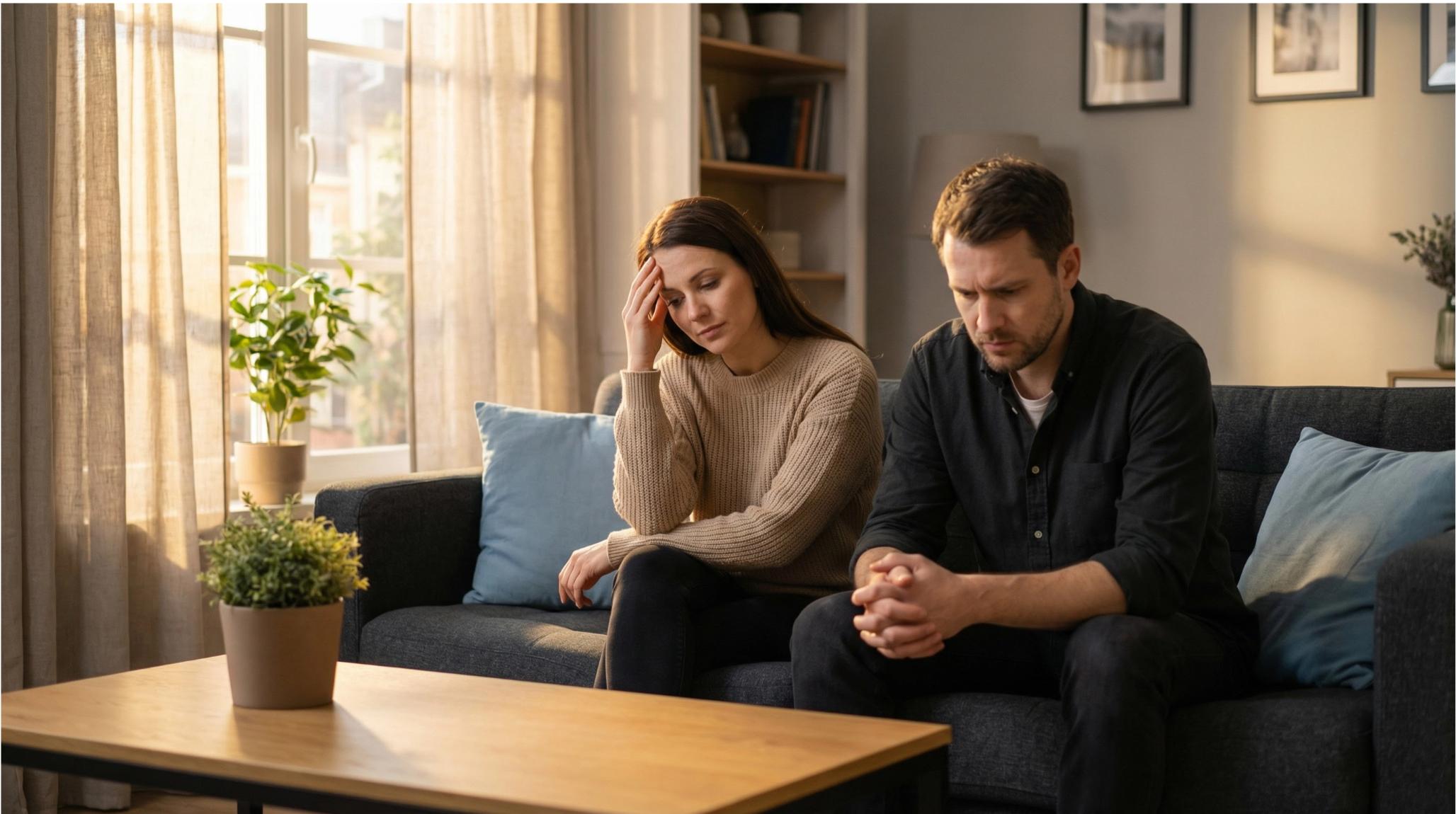
Film „Dom dobry” w reżyserii Wojciecha Smarzowskiego wstrząsnął polską publicznością, rzucając ostre światło na mroczny, często ukrywany problem przemocy domowej. Historia Gośki i Grześka, która z romantycznej bajki przeradza się w koszmar, jest tragicznym, ale niezwykle trafnym obrazem mechanizmu, który więzi ofiary w toksycznych relacjach. To, co na początku wydaje się idealnym związkiem, z czasem odsłania swoje prawdziwe, przerażające oblicze, wpisując się w dobrze zdefiniowany przez psychologów cykl przemocy.
Przemoc w związku rzadko kiedy zaczyna się od fizycznych ciosów. Jest to proces, który narasta stopniowo, oplatając ofiarę siecią manipulacji, strachu i fałszywej nadziei. Zrozumienie tego cyklu jest kluczowe, aby móc zidentyfikować zagrożenie, zareagować i, co najważniejsze, szukać pomocy. To nie jest „prywatna sprawa”, jak chciałby wmówić sprawca, ale poważny problem społeczny, co potwierdzają druzgocące statystyki. Według danych Agencji Praw Podstawowych Unii Europejskiej, co trzecia kobieta w UE doświadczyła jakiejś formy przemocy fizycznej lub seksualnej [1]. To miliony osobistych tragedii, które rozgrywają się za zamkniętymi drzwiami domów, które miały być ostoją bezpieczeństwa.
Trzy akty dramatu: Cykl przemocy według Lenore Walker
Amerykańska psycholog dr Lenore E. Walker, po przeprowadzeniu badań z setkami kobiet doświadczających przemocy, opisała powtarzający się wzorzec, który nazwała „cyklem przemocy” (ang. cycle of abuse). Składa się on z trzech następujących po sobie faz, które z czasem stają się coraz krótsze i bardziej intensywne. To właśnie ten cykl wyjaśnia, dlaczego ofiarom tak trudno jest opuścić swoich oprawców.
Faza 1: Faza narastania napięcia
To początek każdego cyklu. Sprawca staje się coraz bardziej drażliwy, poirytowany i krytyczny. Każdy drobiazg – rzekomo źle posprzątane mieszkanie, niedoprawiona zupa, spóźnienie – może stać się pretekstem do awantury. Napięcie w domu jest niemal namacalne. Sprawca może zacząć więcej pić lub używać innych substancji, co dodatkowo potęguje jego agresję. Poniża partnerkę, krytykuje jej wygląd, inteligencję, umiejętności rodzicielskie, izoluje ją od rodziny i przyjaciół. Celem jest podkopanie jej poczucia własnej wartości i przejęcie pełnej kontroli.
Ofiara w tej fazie chodzi na paluszkach. Stara się za wszelką cenę uspokoić partnera, spełniać jego zachcianki, przewidywać potrzeby. Żyje w ciągłym lęku, zastanawiając się, co jeszcze może zrobić, aby uniknąć eksplozji. Ten permanentny stres może prowadzić do objawów psychosomatycznych: bólów głowy i brzucha, bezsenności, utraty apetytu. Czasem, nie mogąc już znieść napięcia, „ofiara sama prowokuje kłótnię”, by mieć to już za sobą.
Faza 2: Faza ostrej, gwałtownej przemocy
Napięcie, które budowało się w pierwszej fazie, znajduje swoje ujście w akcie przemocy. Może to być przemoc fizyczna (bicie, szarpanie, duszenie), seksualna (gwałt), ale także psychiczna – wybuch szału, niszczenie przedmiotów, groźby śmierci. Wybuch jest nieproporcjonalny do przyczyny, która go wywołała. Sprawca traci nad sobą panowanie, wyładowując całą swoją frustrację i gniew. Dla ofiary jest to moment absolutnego terroru i bezradności. Niezależnie od tego, co zrobi – czy będzie się bronić, błagać o litość, czy biernie poddawać – agresja sprawcy narasta.
Po ataku ofiara jest w szoku. Odczuwa ból, strach, upokorzenie i wstyd. Często ukrywa siniaki i obrażenia, bojąc się oceny otoczenia i nie wierząc, że ktokolwiek mógłby jej pomóc. Jest to moment, w którym najczęściej zapada decyzja o szukaniu pomocy lub ucieczce, ale niestety, zaraz po nim nadchodzi kolejna faza, która tę decyzję niweczy.
Faza 3: Faza miodowego miesiąca
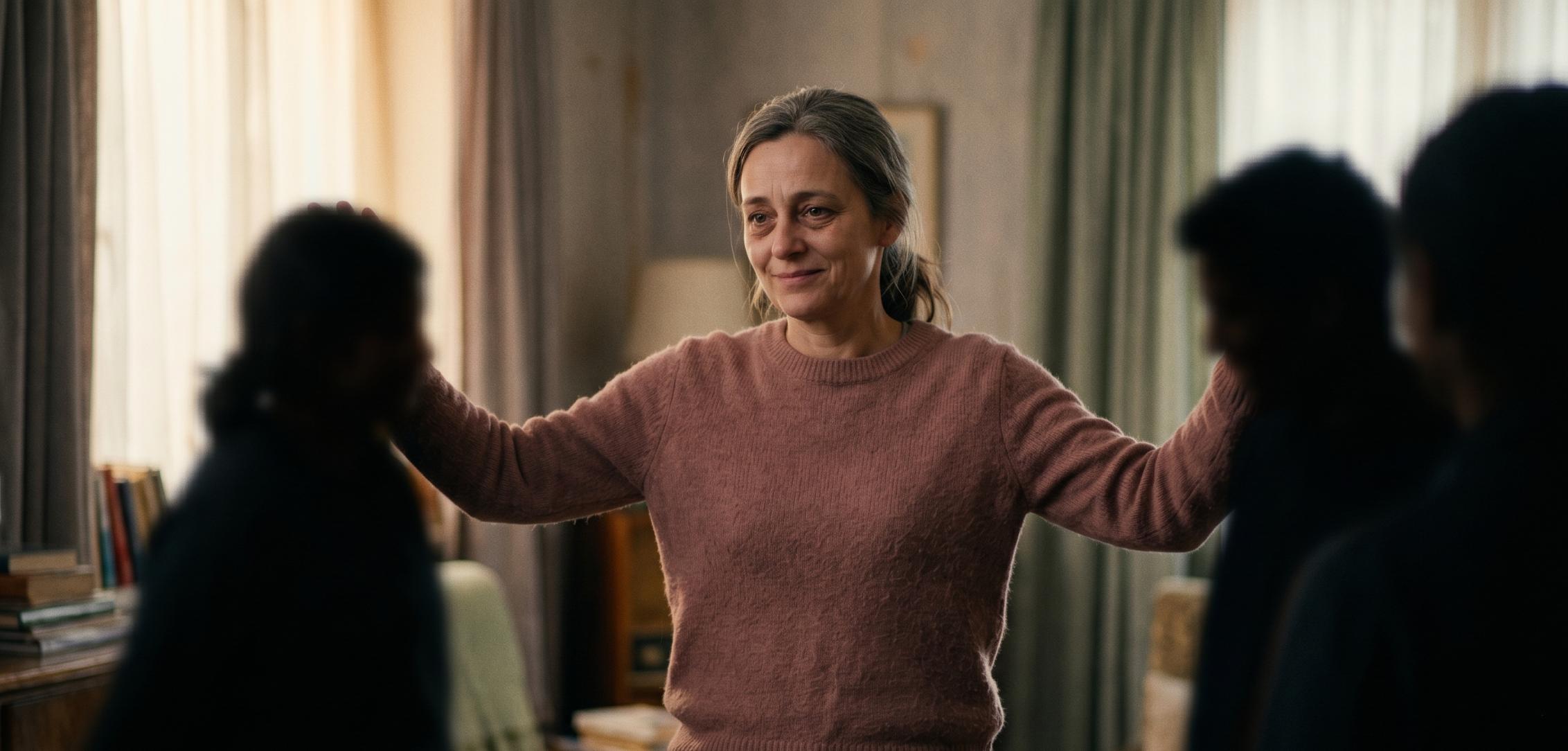
Po wybuchu agresji sprawca gwałtownie zmienia swoje zachowanie. Zdaje sobie sprawę, że posunął się za daleko i może stracić partnerkę. Zaczyna okazywać skruchę, przeprasza, płacze, obiecuje poprawę. Staje się znowu tym czułym, troskliwym mężczyzną z początku znajomości. Przynosi kwiaty, kupuje prezenty, zapewnia o swojej miłości. Tłumaczy swoje zachowanie stresem w pracy, alkoholem, trudnym dzieciństwem – racjonalizuje przemoc, zrzucając z siebie odpowiedzialność.
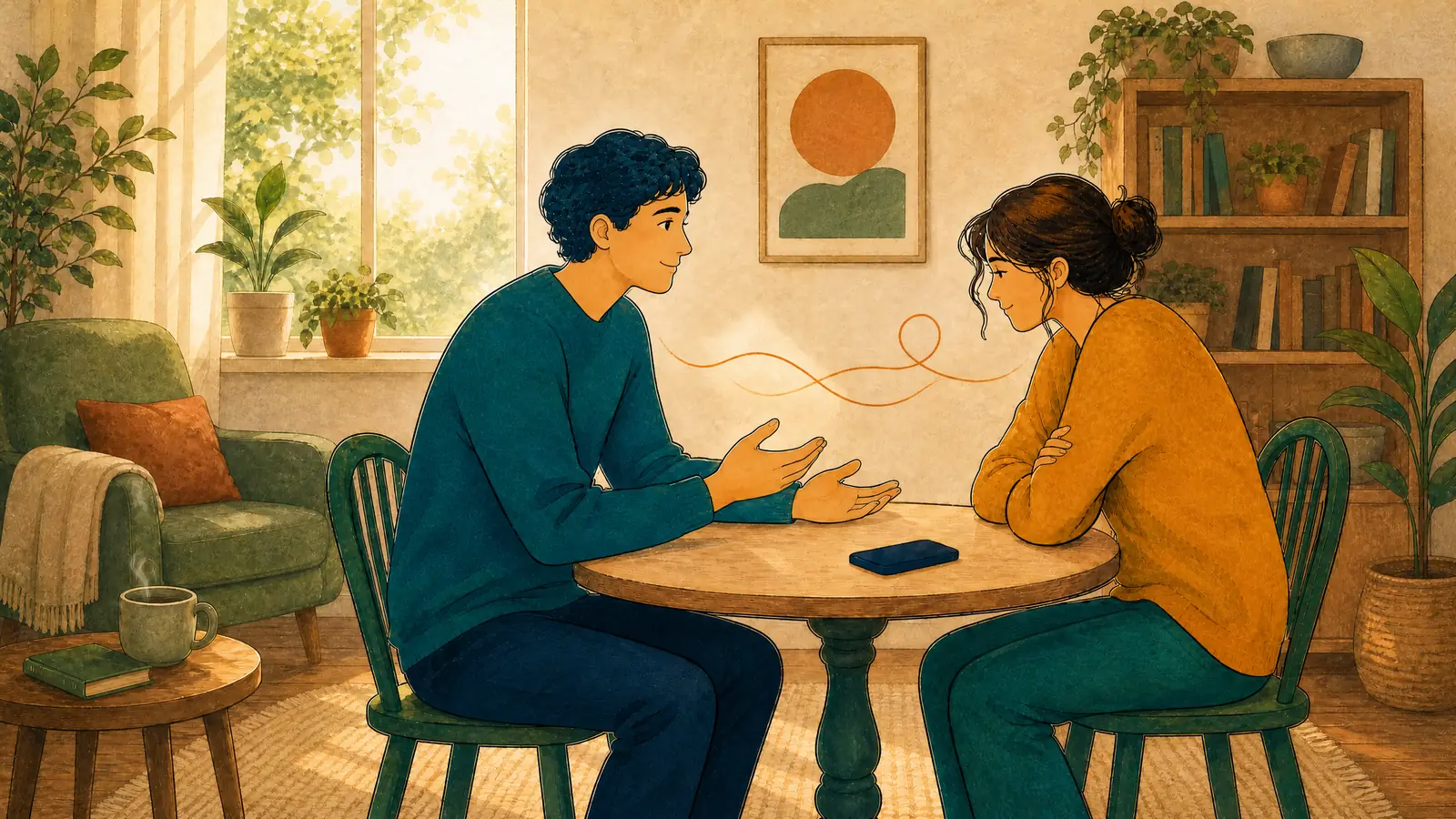
To najbardziej podstępna faza cyklu. Ofiara, która pragnie powrotu do „dobrych czasów”, zaczyna wierzyć w jego obietnice. Chce wierzyć, że to był ostatni raz, że on naprawdę się zmieni. Faza miodowego miesiąca daje jej nadzieję i wzmacnia więź ze sprawcą. To właśnie te krótkie okresy „normalności” i czułości sprawiają, że kobiety latami tkwią w przemocowych związkach, wybaczając kolejne akty agresji w oczekiwaniu na powrót „miesiąca miodowego”. Niestety, jest to tylko cisza przed kolejną burzą. Po pewnym czasie napięcie znów zaczyna narastać i cykl się powtarza, zazwyczaj z jeszcze większą siłą.
„Dom dobry” – filmowy obraz piekła
Film Smarzowskiego jest niemal podręcznikową ilustracją cyklu przemocy. Relacja Gośki i Grześka zaczyna się jak marzenie. On jest czarującym, troskliwym politykiem, który zdobywa jej serce romantycznymi gestami. To idealna faza miodowego miesiąca, która usypia czujność. Jednak bardzo szybko pojawiają się pierwsze zgrzyty – kontrola, zazdrość, krytyka. To faza narastania napięcia, w której Grzesiek stopniowo zacieśnia pętlę wokół Gośki.
Pierwszy akt fizycznej przemocy jest szokiem, po którym natychmiast następuje skrucha i przeprosiny. Grzesiek obiecuje poprawę, a Gośka, zakochana i pełna nadziei, wybacza. Cykl się zamyka i zaczyna od nowa. Z każdym kolejnym razem faza miodowego miesiąca jest krótsza, a akty przemocy stają się coraz brutalniejsze. Film doskonale pokazuje, jak sprawca manipuluje otoczeniem, kreując swój wizerunek na porządnego obywatela i kochającego męża, podczas gdy w domu rozgrywa się dramat. Gośka jest coraz bardziej izolowana i przerażona, a jej próby szukania pomocy spotykają się z niedowierzaniem lub obojętnością.
Liczby, które krzyczą
Choć „Dom dobry” to fikcja, scenariusz oparto na konsultacjach z organizacjami pomocowymi i prawdziwych historiach. Skalę problemu w Polsce i na świecie oddają oficjalne statystyki, które i tak, zdaniem ekspertów, są mocno zaniżone, ponieważ wiele ofiar nigdy nie zgłasza przemocy.
|
Obszar |
Dane statystyczne |
|
Polska (Policja, 2025) |
W 2025 roku wszczęto ponad 59 tys. procedur „Niebieskiej Karty”. Szacuje się, że przemocy domowej doświadczyło 91 330 osób, z czego 50 767 stanowiły kobiety, 29 210 małoletni a 11 353 mężczyźni [2]. |
|
Polska (szacunki) |
Szacuje się, że co 40 sekund jakaś kobieta w Polsce doświadcza przemocy, a 19% Polek doświadczyło jej ze strony obecnego lub byłego partnera [3]. |
|
Unia Europejska (FRA) |
Co trzecia kobieta w wieku 18-74 lat w UE doświadczyła przemocy fizycznej lub seksualnej [1]. |
|
Świat (ONZ) |
Szacuje się, że nawet 70% kobiet na świecie przynajmniej raz w życiu doświadcza napaści na tle fizycznym, seksualnym lub psychicznym [4]. |
Te liczby są przerażające. Pokazują, że przemoc ze względu na płeć jest globalną pandemią. Za każdą z tych liczb kryje się ludzka tragedia, zniszczone życie, trauma, która zostaje na lata.
Pułapka nadziei: dlaczego tak trudno odejść?
Cykl przemocy, a zwłaszcza faza miodowego miesiąca, jest potężnym mechanizmem uzależniającym. Ofiara nie kocha przemocy, ale mężczyznę, którym sprawca bywa w tych krótkich okresach spokoju. To właśnie nadzieja na jego powrót trzyma ją w pułapce. Do tego dochodzą inne czynniki:
- Strach: Lęk przed eskalacją przemocy, groźbami, zemstą na dzieciach.
- Wstyd i poczucie winy: Wmawianie sobie, że zasłużyła na karę, że to jej wina.
- Izolacja: Zerwane kontakty z rodziną i przyjaciółmi, brak wsparcia.
- Zależność ekonomiczna: Brak własnych środków do życia, mieszkania.
- Dzieci: Chęć utrzymania pełnej rodziny, groźby odebrania praw rodzicielskich.
Przerwanie cyklu przemocy wymaga ogromnej siły i wsparcia z zewnątrz. Kluczowe jest uświadomienie sobie, że sprawca się nie zmieni, a obietnice są tylko elementem manipulacji. Konieczne jest przełamanie wstydu i poszukanie pomocy – w ośrodkach interwencji kryzysowej, na policji, u terapeuty, w organizacjach pozarządowych takich jak „Niebieska Linia” (Całodobowa poradnia telefoniczna: 800 12 00 02).
Film „Dom dobry” nie daje jednej odpowiedzi. Zamiast tego pokazuje alternatywne zakończenia, uświadamiając, jak różne mogą być losy kobiet doświadczających przemocy. Każda z tych dróg niesie inne konsekwencje, ale wszystkie przypominają o tym, jak trudne jest wyrwanie się z przemocy i odzyskanie kontroli nad własnym życiem. Dla tysięcy kobiet w Polsce ta decyzja wciąż pozostaje codziennym wyzwaniem. Najważniejszy jest pierwszy krok – powiedzieć „dość” i zrozumieć, że dom, który miał być dobry, nie może być miejscem strachu i cierpienia.
Przemoc nie zna granic płci
Choć statystyki jednoznacznie wskazują, że kobiety stanowią zdecydowaną większość ofiar przemocy domowej – 55,6% wszystkich ofiar w 2025 roku – ważne jest, aby nie zapominać, że przemoc w związkach nie zna granic płci [2]. Mężczyźni również doświadczają przemocy fizycznej, psychicznej i seksualnej ze strony swoich partnerek. W Polsce mężczyźni stanowią 12,4% ofiar przemocy domowej, a osoby małoletnie – 32,0% [2]. Choć liczby są mniejsze, cierpienie jest równie realne.
Równie ważne jest spojrzenie na sprawców przemocy. Choć mężczyźni stanowią zdecydowaną większość sprawców (86,1%), kobiety również stosują przemoc – w 2025 roku stanowiły 13,9% wszystkich osób podejrzewanych o przemoc domową [2]. Przemoc stosowana przez kobiety ma często inny charakter – może być bardziej psychiczna, manipulacyjna, wykorzystująca emocjonalną zależność. Mężczyźni, którzy doświadczają przemocy, często spotykają się z jeszcze większym stygmatem i niechęcią do zgłaszania sprawy, bojąc się niezrozumienia lub wyśmiania.
Przemoc domowa jest problemem uniwersalnym – nie patrzy na płeć, wiek, status społeczny czy wykształcenie. Każda ofiara, niezależnie od płci, zasługuje na wsparcie, zrozumienie i pomoc. Zrozumienie cyklu przemocy i jego mechanizmów powinno być dostępne dla wszystkich, którzy mogą znaleźć się w toksycznej relacji. Przerwanie milczenia i szukanie pomocy to akt odwagi, niezależnie od tego, czy jesteś kobietą czy mężczyzną.
Bibliography
[1] European Union Agency for Fundamental Rights (2024). Violence against women: an EU-wide survey. https://fra.europa.eu/sites/default/files/fra_uploads/pr-2024-eu-gender-based-violence-survey_pl.pdf
[2] Policja (2025). Statystyki Przemocy Domowej. https://statystyka.policja.pl/st/wybrane-statystyki/przemoc-domowa
[3] Jedynka Polskie Radio (2025). Kobiety ofiarami przemocy domowej. Ekspertka: nie odchodzą, bo często nie mają dokąd. https://jedynka.polskieradio.pl/artykul/3604863,Kobiety-ofiarami-przemocy-domowej-Ekspertka-nie-odchodz%C4%85-bo-cz%C4%99sto-nie-maj%C4%85-dok%C4%85d
[4] DW (2024). ONZ: nawet 70 proc. kobiet doświadcza przemocy. https://www.dw.com/pl/onz-nawet-70-proc-kobiet-do%C5%9Bwiadcza-przemocy/a-70873017
[5] Niebieska Linia. Cykle przemocy. https://www.niebieskalinia.pl/o-zjawisku-przemocy/cykle-przemocy
 PATIENT PRIVACY PROTECTION All statements, examples, and patient stories cited in the articles on this blog have been significantly altered, anonymized, and modified to prevent them from being linked to actual patients. These changes include altering names, ages, genders, details of the situations, and other identifying characteristics. Any resemblance to actual persons is purely coincidental.