



Psychologist in Łódź – Help with Mood Swings

I often hear people say in my office, “I feel like I’m on an emotional roller coaster. One day I have tons of energy, and the next I can’t get out of bed.” This is one of the most common experiences described by people who struggle with mood swings.

It is a state in which emotions spiral out of control, and the transition from joy to sadness or irritation is sudden and often incomprehensible. Such emotional instability can disrupt one’s life, damage relationships, and rob a person of their sense of inner balance.

I’d like to explain what mood swings are, where they come from, and how psychological counseling can help you regain emotional stability. The decision to seek support is an act of courage and self-care. You deserve for this process to be as simple and clear as possible.

Note:Mood swings can be a natural part of life, but if they are intense, frequent, and interfere with daily functioning, they may signal a deeper problem. In this article, I will discuss both everyday challenges and situations that require a professional diagnosis.

Psychologist in Łódź – Therapy for Mood Swings and Irritability

What are mood swings, and how can you recognize them?

Mood swings are significant, often sudden changes in emotional state. Unlike natural reactions to life events, these changes may be disproportionate to the situation or occur without any apparent cause. What matters most is their intensity and their impact on daily functioning.

Symptoms that may indicate problematic mood swings include:

  • Sudden shifts from euphoria to depression or anger.
  • The feeling that your emotions are taking control of you.
  • High sensitivity and a tendency to get irritated over trivial matters.
  • Periods of heightened energy and motivation interspersed with bouts of apathy and fatigue.
  • Difficulty maintaining stable relationships due to unpredictable reactions.
  • Making impulsive decisions on the spur of the moment.


It is important to understand that extreme mood swings are not a personality trait, but a symptom that can and should be discussed with a specialist.

Why do I experience mood swings?

Mood swings rarely have a single cause. They are usually the result of a complex interplay of psychological, biological, and environmental factors. These may include:

  • Psychological factors: chronic stress, unresolved internal conflicts, traumatic experiences, as well as personality traits such as high emotional reactivity.
  • Biological factors: hormonal changes (e.g., menstrual cycle, menopause, thyroid problems), lack of sleep, an unbalanced diet.
  • Mental disorders: Mood swings are a key symptom of, among other conditions, bipolar disorder (BD) and borderline personality disorder (BPD). They may also accompany depression and anxiety disorders.
  • Lifestyle: Excessive consumption of alcohol or other psychoactive substances; lack of regular physical activity.

Understanding the causes is crucial because it allows us to choose the appropriate form of assistance.

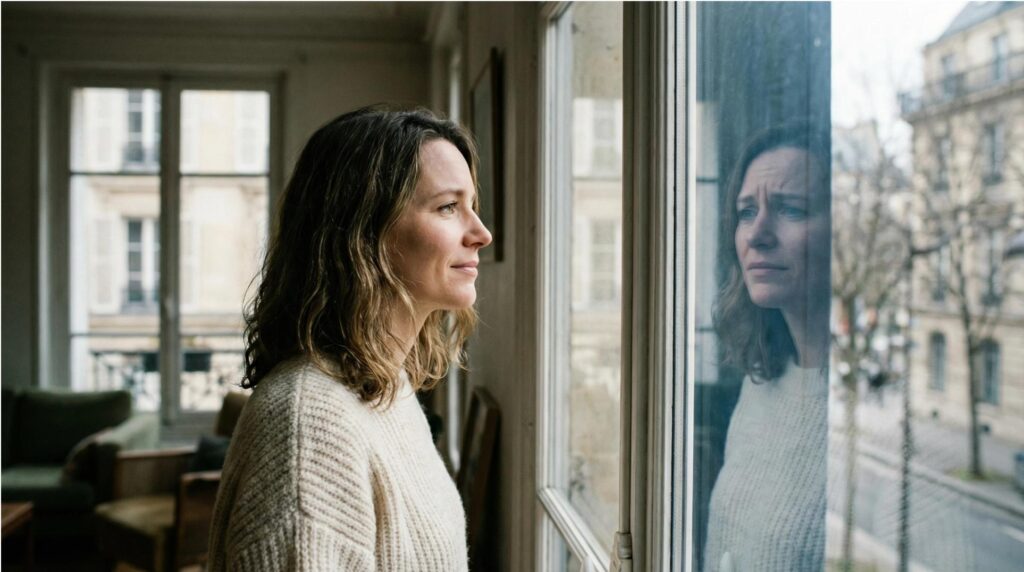
A person experiencing mood swings and emotional instability

How can a psychologist help you cope with mood swings?

Psychological counseling is professional supportthat focuses on restoring emotional stability. My goal is to help you understand your emotions and teach you how to manage them, rather than letting them control you.

Thanks to the meetings:

  • You'll identify patterns and triggers: together, we'll take a closer look at what causes sudden changes in your mood.
  • You'll learn techniques for regulating your emotions: you'll discover specific tools that will help you calm down during difficult moments and respond mindfully.
  • You'll understand your needs: we'll work on the underlying causes of your emotional instability.
  • You'll receive support in building stability: I'll help you develop healthy habits that promote mental well-being.

When should you schedule a consultation?

You don't have to wait until your emotions take over your entire life. I invite you to schedule a consultation if:


  • Your mood swings are having a negative impact on your relationships, work, or studies.
  • Do you feel that your emotional reactions are out of proportion to the situation?
  • Your loved ones are pointing out your emotional instability.
  • You're having trouble understanding why your mood changes so suddenly.
  • You want to regain a sense of inner peace and control.
A psychologist's office with armchairs and books—a space for diagnosing ICD-10 personality disorders

Answers to Frequently Asked Questions

Are mood swings always a symptom of a mental illness?

Not always. They can be a reaction to stress, hormonal changes, or exhaustion. However, if they are intense, frequent, and interfere with daily functioning, they may be a symptom of a disorder, such as bipolar disorder or borderline personality disorder. Consulting a psychologist can help assess the situation and plan next steps.

A psychologist can conduct an initial assessment, evaluate the severity of symptoms, and formulate a diagnostic hypothesis. However, a formal diagnosis is made by a psychiatrist, who is the only professional authorized to prescribe medication—which is often necessary in cases of bipolar disorder.

It depends on the individual. Some people feel relief after just a few sessions, as they learn their first coping techniques. Usually, however, it takes anywhere from a few to a dozen or so sessions to develop lasting emotional regulation skills and understand the deeper causes of the problem.

If your mood swings are causing you or your loved ones to suffer and are reducing your quality of life, that is reason enough to seek professional help. It’s not worth comparing yourself to others or waiting for the problem to go away on its own.
Yes. Everything we discuss in the office is covered by professional confidentiality. Your privacy is my top priority. The only exception is a situation involving an immediate threat to your life or health, or that of others.

Worth reading

Diagnosis of Depression

Depression is one of the most commonly diagnosed mental disorders in the world. It is estimated that approximately 1.2 million people in Poland suffer from depression. It is characterized, among other things, by a profound low mood, decreased psychomotor drive, sleep disturbances, and circadian rhythm disturbances, as well as frequent co-occurrence of anxiety.  It is important to distinguish between two separate diagnoses here, and

Read more »

Let's stay in touch

Logo for the psychology practice of Michał Jaskólski, a psychologist from Łódź
Privacy Overview

This website uses cookies to provide you with the best possible experience. Cookie information is stored in your browser and performs functions such as recognizing you when you return to our website and helping our team understand which sections of the site are most interesting and useful to you.