


Psychologist in Łódź – Help with Depression
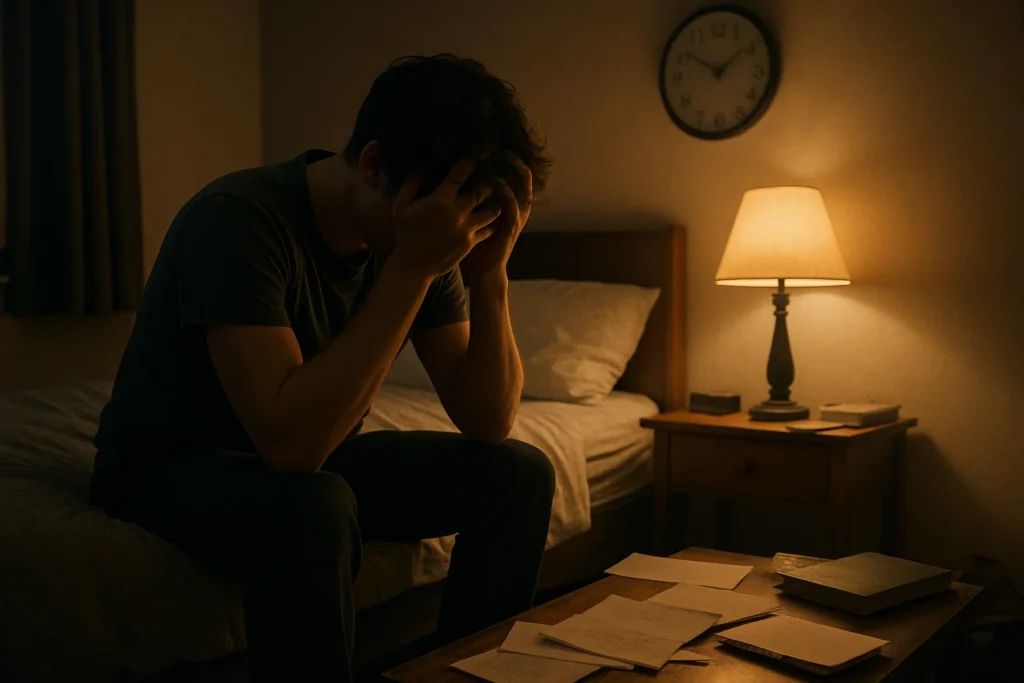
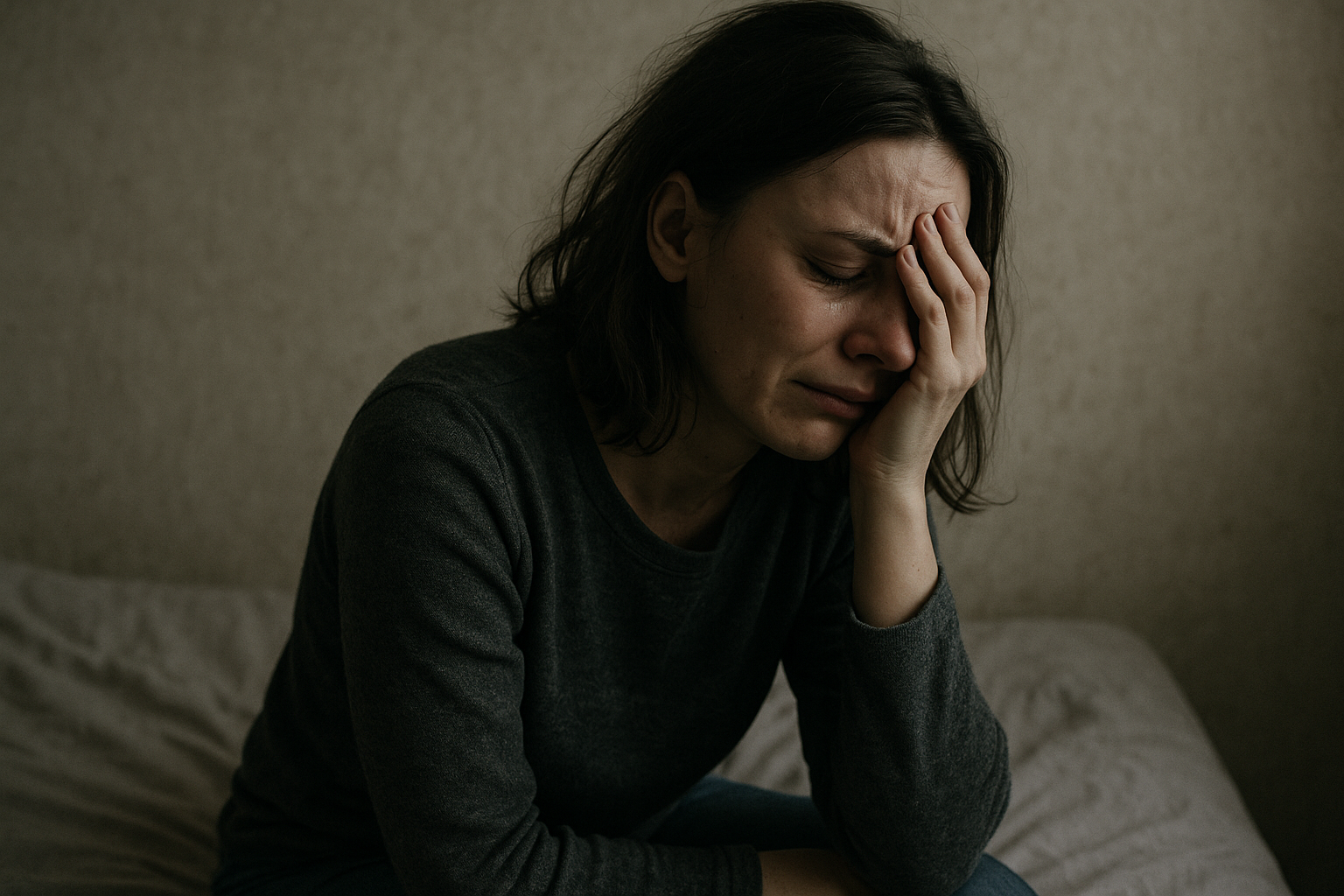
I often hear people say in my office, “I feel as if the whole world has lost its color. Nothing brings me joy, and every day is a struggle.” This is one of the most common experiences described by people struggling with depression.
Depression isn't just sadness—it's a state in which energy, motivation, and hope seem to disappear, and every task becomes overwhelming.
I’d like to explain what depression is like, what its symptoms are, and—most importantly—how psychological help can enable you to regain your balance and a sense of purpose in life. The decision to seek support is an act of courage and self-care. You deserve for this process to be as simple and straightforward as possible.
Note: The term“depression” as used in everyday language can refer to several different conditions: depression as a mood disorder (depressive disorder), a single depressive episode, or reactive depression (triggered by a specific stressor). In this article, I will use the term “depression” as an umbrella term for all of these cases, referring to major depressive disorder, depressive episodes, and reactive depression.
What is depression, and how is it diagnosed?
Depression is characterized by feelings of sadness, helplessness, and a loss of interest in things that once brought joy. It is not just ordinary sadness or a bad day—it is a condition that lasts more than two weeks and significantly affects daily functioning.
Symptoms of depression include:
- depressed mood,
- loss of interest and anhedonia,
- less energy or fatigue resistance,
- difficulty concentrating,
- lowered self-esteem,
- feelings of guilt, feeling worthless,
- a pessimistic view of future events,
- suicidal thoughts or behaviors, or self-harming behaviors,
- sleep problems,
- decreased appetite
It is important to understand that depression is not a sign of weakness of character, nor is it something you can “sleep off” or “overcome” through willpower alone. It is a disorder that requires support and professional help.
Why does depression occur?
Depression rarely has a single cause. It is usually a combination of biological, psychological, and social factors. These may include:
- Long-term stress (problems at work, in relationships, or with finances)
- Traumatic experiences or losses
- Biological changes (imbalances in neurotransmitter levels)
- Genetic predisposition
- Social isolation
- Chronic Physical Illnesses
Understanding the causes of depression is important because it helps in choosing the right kind of help.
How can a psychologist help you with depression?
Psychological counseling is the professional support I offer to people struggling with depression. It differs from psychotherapy in that it focuses more on resolving current problems and developing specific coping strategies, although I can, of course, also work on deeper patterns if necessary.
During sessions with a psychologist:
- You'll understand your emotions: I'll help you identify what's really going on and which thoughts are fueling your depression
- You'll learn specific strategies: I offer practical tools that you can use every day
- You'll regain your motivation: together, we'll work on small steps that restore your energy and sense of purpose
- You'll find support: I know that depression can be a lonely experience. You're not alone here.
When should you schedule a consultation?
You don't have to be in the midst of a major crisis to seek help. I invite you to schedule a consultation if:
- Have you been feeling sad for more than two weeks?
- You've lost interest in things that used to interest you
- Are you having trouble sleeping or feeling tired?
- Do you feel overwhelmed or helpless?
- Do you want to better understand what's going on with you?
- Are you looking for support during a difficult time?
Sometimes it only takes a few sessions to understand what's going on and learn your first strategies. Other times, it's worth working on it for longer. It all depends on you and your needs.
Answers to Frequently Asked Questions
Does psychological counseling really help with depression?
- Determining what you’re dealing with – I can help you understand whether you’re experiencing a depressive episode, reactive depression (triggered by a specific stressor), or a depressive disorder. This distinction is important because each of these conditions may require a different approach.
- Help you understand yourself —I’ll teach you what’s really going on, which thoughts and behaviors reinforce depression, and what specific strategies you can use every day.
- Refer you to other specialists if necessary – If I believe you need support from a psychiatrist (e.g., medication) or more in-depth psychotherapy, I can refer you to them. I will always be honest about what I think is best for you.
How long does psychological counseling last?
Can a psychologist prescribe medication?
No. A psychologist doesn't prescribe medication—that's what a psychiatrist does. However, if I think medication might be helpful for you, I'll mention it during our session. Psychological counseling and medication can complement each other very well.
Is my depression “serious enough”?
Will the session be confidential?
Worth reading

Depression – A Psychologist's Guide
A Guide to Depression—Definition, Symptoms, Causes, Treatment. Scientific foundations and practical advice for patients and families.

Diagnosis of Depression
Depression is one of the most commonly diagnosed mental disorders in the world. It is estimated that approximately 1.2 million people in Poland suffer from depression. It is characterized, among other things, by a profound low mood, decreased psychomotor drive, sleep disturbances, and circadian rhythm disturbances, as well as frequent co-occurrence of anxiety. It is important to distinguish between two separate diagnoses here, and

About Depression
Introduction Depression, often viewed as one of the greatest mental health challenges in the modern world, affects millions of people regardless of age, gender, or social status. It is characterized by deep sadness, a loss of interest in activities that were previously enjoyable, and a range of other symptoms. It can have a serious impact on the daily life of the person affected.