Psychologist in Łódź – Help with Fear and Anxiety

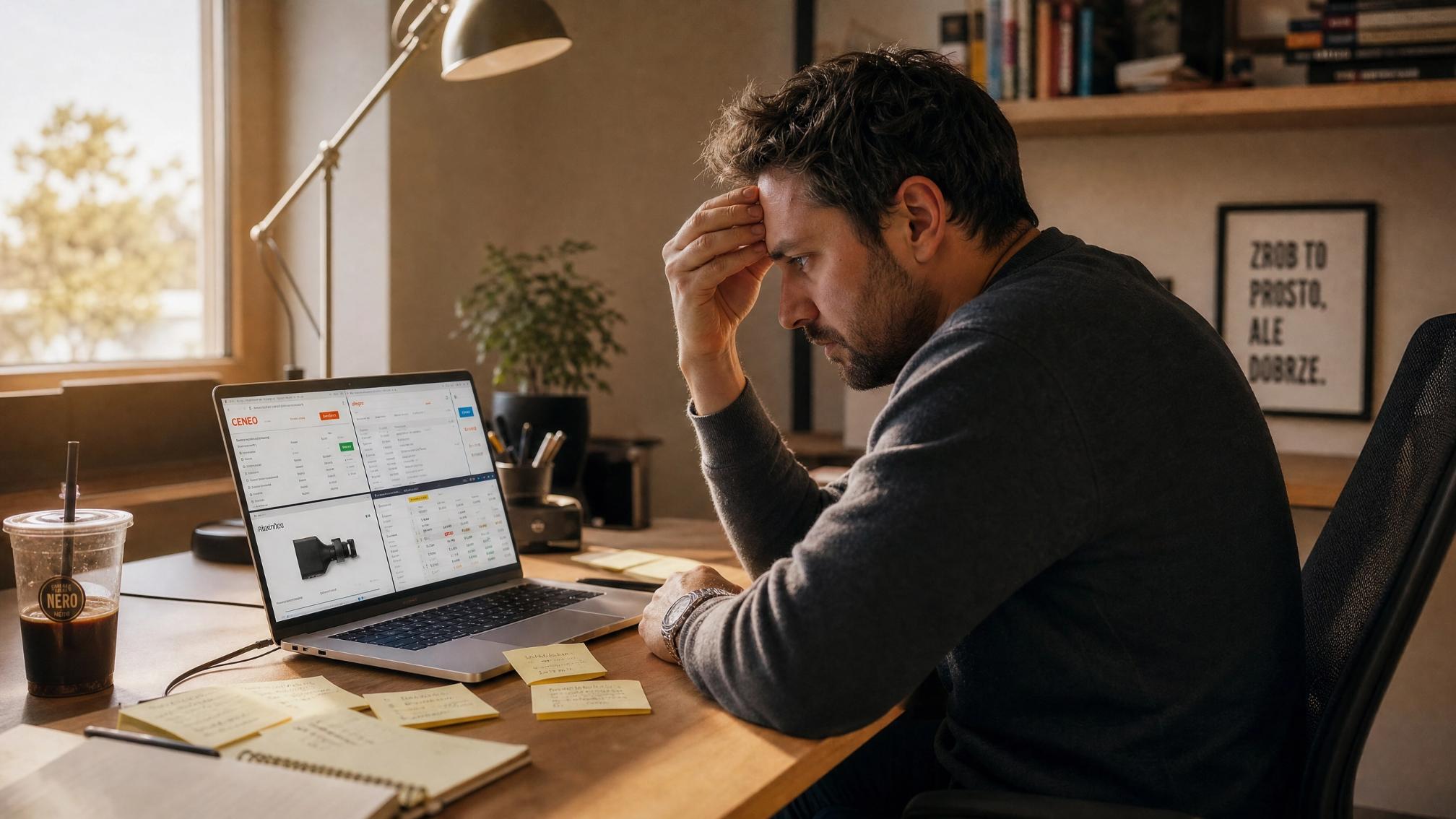
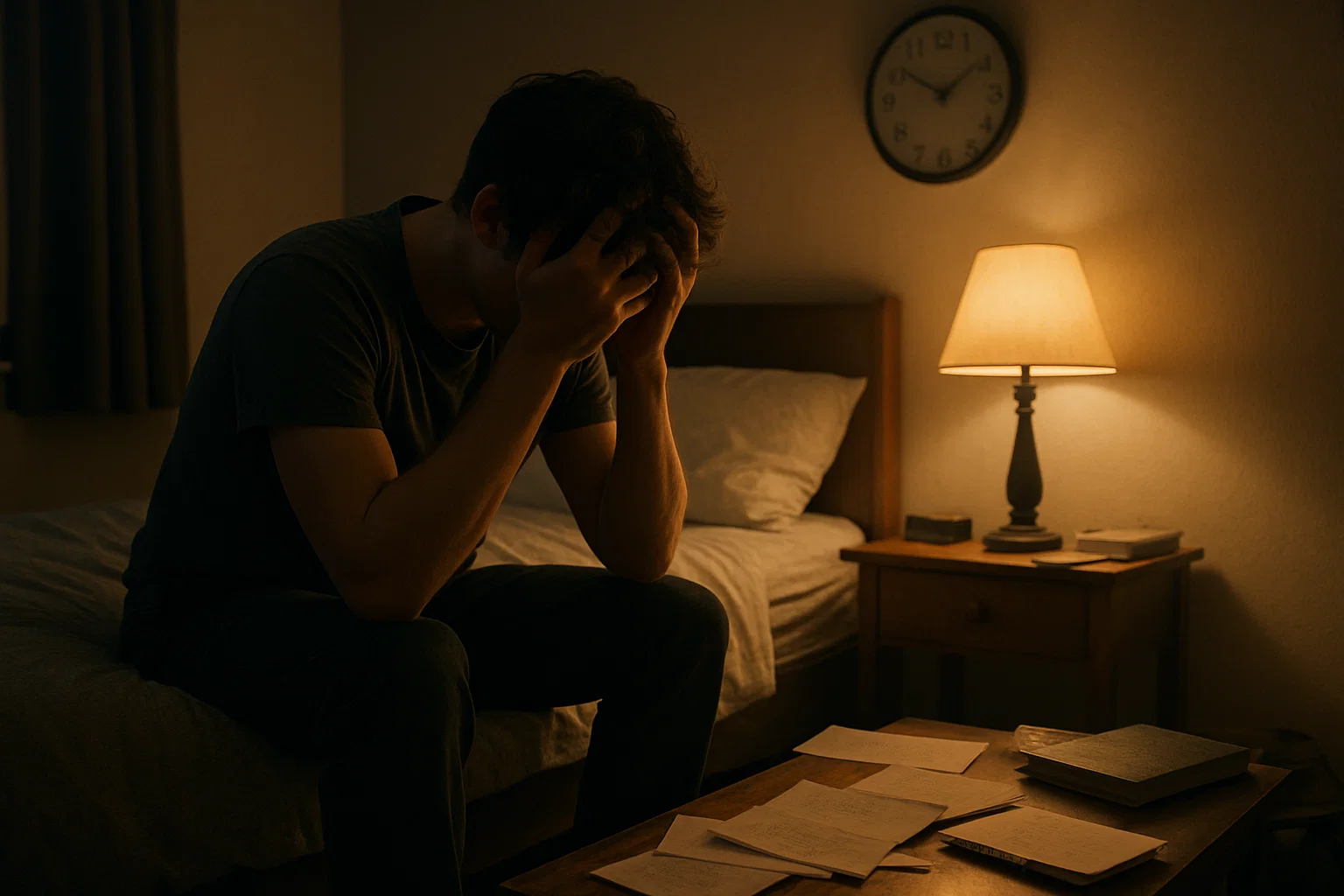
I often hear patients say in my office, “I feel as if something bad is about to happen. This constant anxiety is making my life miserable.” This is one of the most common experiences described by people struggling with anxiety.

Anxiety is not the same as fear—it is a persistent state of tension and worry that arises even in the absence of a real threat. Your energy drains away, and everyday responsibilities become a source of overwhelming stress.

I’d like to explain what anxiety looks like, what its symptoms are, and how psychological help can allow you to regain your inner peace and control. The decision to seek support is an act of courage and self-care. 

Note: The terms“fear” and “anxiety” are often used interchangeably. In this article, I will use them to refer to both a general feeling of unease and more specific anxiety disorders (e.g., generalized anxiety disorder, panic disorder) in order to describe the issue in an accessible way.

Psychologist in Łódź – Help with Anxiety and Anxiety Disorders

What is anxiety?

Anxiety is a condition characterized by a persistent feeling of unease, worry, and physical tension. Unlike fear, which is a reaction to a specific threat, anxiety often arises without a clear cause or is disproportionate to the situation. If this condition persists for a long time, it significantly affects quality of life.


Anxiety can take many forms:


Generalized Anxiety Disorder (GAD) is a chronic condition characterized by excessive worry about various aspects of life (work, health, finances) that persists on most days and lasts for at least several months. People with generalized anxiety disorder often say, “I can’t stop worrying.”


Panic attacks and panic disorder are sudden, intense episodes of fear that occur abruptly and peak within a few minutes. They are accompanied by severe physical symptoms: heart palpitations, shortness of breath, dizziness, a feeling of losing control, or fear of dying. Panic attacks can lead to the development of panic disorder, when a person begins to fear further attacks and avoids situations in which they might occur.


Specific fears (phobias) are intense fears of specific objects or situations (e.g., heights, spiders, flying, enclosed spaces). People with phobias are often aware that their fear is excessive, but they still avoid these situations, which can limit their daily functioning.


Symptoms of anxiety may include:

  • Psychiatric symptoms:
    • A constant feeling of tension and anxiety
    • Difficulty concentrating
    • Worrying about the future (so-called “doomsday scenarios”)
    • A feeling of emptiness in my head
    • Problems with falling asleep and sleep quality


  • Physical symptoms:
    • Rapid heartbeat, palpitations
    • Shallow breathing, shortness of breath
    • Headaches and dizziness
    • Muscle tension (especially in the neck and shoulders)
    • Stomach problems, abdominal discomfort


It is important to understand that anxiety is not “overreacting” or something to be ashamed of. It is a real disorder that requires support and professional help.

Why does anxiety arise?

Anxiety rarely has a single cause. It is usually a combination of biological, psychological, and environmental factors. These may include:

  • Long-term stress: problems at work, difficult relationships, financial pressure.
  • Past experiences: difficult childhood events, traumas.
  • Biological factors: genetic predisposition, imbalances in neurotransmitters.
  • Thought patterns: catastrophizing, an excessive need for control, perfectionism.
  • Sudden life changes: job loss, moving, illness.
  • Social isolation: lack of support from loved ones.


Understanding the sources of anxiety is crucial because it allows us to choose the most effective form of help.

A person struggling with fear and anxiety during a counseling session.

How can a psychologist help you cope with anxiety?

Psychological counseling is the professional support I offer to people struggling with anxiety. It focuses on resolving current problems and developing specific strategies for coping with stress and anxiety.

During sessions with a psychologist:

  • You'll understand the mechanisms behind your anxiety: I'll help you identify the thoughts and situations that trigger your anxiety.
  • You'll learn specific relaxation techniques: You'll discover practical tools for reducing stress that you can use every day.
  • You'll change your destructive thought patterns: Together, we'll work on replacing catastrophic thoughts with more realistic ones.
  • You'll find support and understanding: I know that anxiety can make you feel isolated. In my office, you're not alone.

When should you schedule a consultation?

You don't have to wait until anxiety completely takes over your life. I invite you to schedule a consultation if:

  • You feel constant anxiety most days.
  • You have trouble controlling your worry.
  • Anxiety makes it difficult for you to function in your daily life (work, relationships).
  • You are experiencing physical symptoms such as heart palpitations or shortness of breath.
  • You avoid situations that cause anxiety.
  • You just want to understand what's going on with you and find peace again.


Sometimes it only takes a few sessions to learn effective strategies. Other times, it takes more time and effort. It all depends on you and your needs.

A psychologist's office with armchairs and books—a space for diagnosing ICD-10 personality disorders

Answers to Frequently Asked Questions

Is psychological counseling effective in treating anxiety?
Yes. Psychological interventions, especially those based on the cognitive-behavioral approach (CBT), are one of the most effective methods for treating anxiety disorders. During our session, I’ll help you understand the sources of your anxiety, teach you coping techniques, and, if necessary, recommend next steps, such as consulting a psychiatrist or psychotherapist.
A session lasts about 50 minutes (the first session is 60 minutes). The number of sessions varies from person to person. Many people experience significant improvement after just 4–8 sessions, during which they learn specific tools for managing their anxiety. Sometimes, however, longer-term work is needed to consolidate the changes.

No, a psychologist doesn't prescribe medication—that's what a psychiatrist does. If I think medication might be helpful for you, we'll talk about it openly. Psychological counseling and medication often complement each other perfectly, yielding the best results

If anxiety is making it hard for you to go about your daily life, reducing your quality of life, or simply making you feel bad—that’s reason enough to seek support. There’s no point in waiting for the problem to get worse. The sooner you take action, the faster you’ll regain your peace of mind and balance.
Yes. Everything we discuss in the office is covered by professional confidentiality. Your privacy is my top priority. The only exception is a situation involving an immediate threat to your life or health, or that of others.

Worth reading

Let's stay in touch

Logo for the psychology practice of Michał Jaskólski, a psychologist from Łódź
Privacy Overview

This website uses cookies to provide you with the best possible experience. Cookie information is stored in your browser and performs functions such as recognizing you when you return to our website and helping our team understand which sections of the site are most interesting and useful to you.