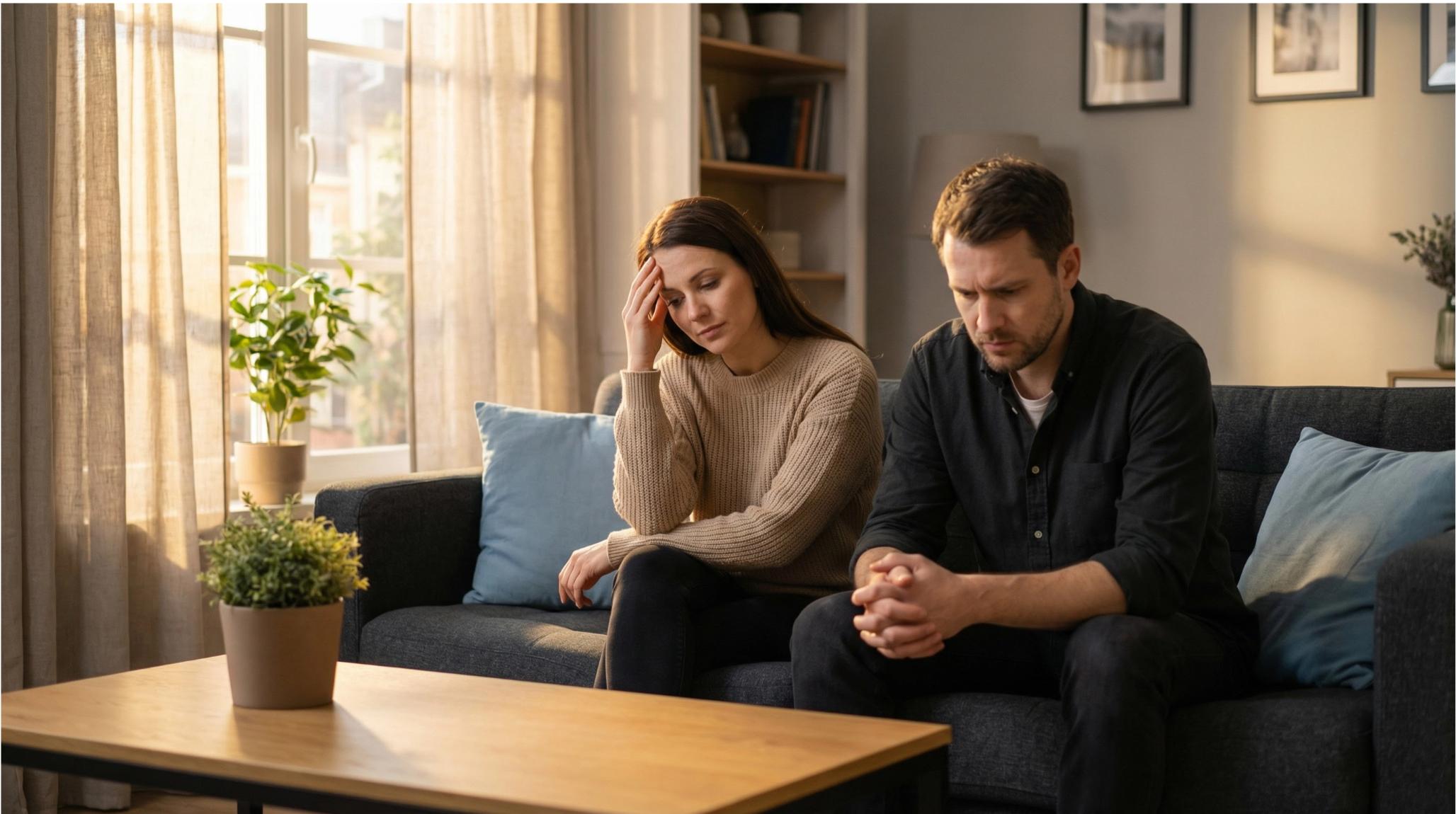
The World Health Organization (WHO) reports that more than 280 million people suffer from depression, and anxiety disorders affect approximately 359 million people worldwide. The treatment of these disorders often requires the assistance of psychologists (psychological support), psychiatrists (pharmacotherapy), and psychotherapists (psychotherapy). Mindfulness is also one of the methods used to support treatment.
What is mindfulness?
Mindfulness is a practice that involves consciously and nonjudgmentally focusing one’s attention on the present moment. It stems from the Buddhist tradition, and its roots go back more than 2,500 years. Dr. Jon Kabat-Zinn, the creator of the Mindfulness-Based Stress Reduction (MBSR) program, played a key role in popularizing it in Western culture—he based his technique precisely on mindfulness. Both MBSR and mindfulness techniques appear to help with depressive and anxiety disorders, which is why I often recommend these techniques to my patients. From here on, I will be referring to “mindfulness” to mean a set of techniques designed to ground the patient in the present moment.
How can you practice mindfulness in your daily life?
Incorporating mindfulness into your daily life doesn't take much effort, and it can benefit your mental health. Below are a few simple techniques.
- Mindful Breathing: Spend a few minutes each day consciously observing your breath. Focus on the sensation of the air as you inhale and exhale, without trying to change it.
- Practicing Mindfulness in Everyday Activities: Choose one daily activity—such as drinking your morning coffee or brushing your teeth—and perform it with full attention. Focus on all your senses—smell, taste, touch, and sound.
- The Practice of Gratitude: Every day, take a moment to think of three things you're grateful for. This helps you shift your perspective and focus on the positive aspects of life.
Mindfulness Techniques for Anxiety Attacks
During an anxiety or panic attack, mindfulness techniques can help you regain control and calm your nervous system. Regular practice of these techniques makes it easier to use them in difficult moments.
The 5-4-3-2-1 Grounding Technique
This technique helps shift your attention from internal, anxiety-provoking thoughts to your external surroundings, which helps you stay grounded in the present moment. It is especially helpful during a panic attack.
- 5 Things You See: Look around and find five different objects in your surroundings.
- 4 Things You Can Touch: Focus on your sense of touch as you touch four different objects.
- 3 Things You Hear: Listen to the sounds around you and identify three of them.
- 2 Things You Can Smell: Focus on your sense of smell and identify two different smells.
- 1. What you taste: Pay attention to the taste in your mouth.
Controlled Breathing – The 4-7-8 Breathing Technique
Slowing down your breathing is one of the quickest ways to calm an anxiety reaction. The 4-7-8 breathing technique is a simple and effective tool.
- Inhale: Take a slow breath in through your nose, counting to four (4).
- Hold: Hold your breath while counting to seven (7).
- Exhalation: Exhale slowly and in a controlled manner through your mouth, counting to eight (8).
Repeat this cycle a few times until you feel the anxiety starting to subside.
Other mindfulness techniques worth noting
RAIN (Recognize, Allow, Investigate, Nurture)
RAIN is an acronym that describes a four-step process for consciously and compassionately managing difficult emotions.
The first step, Recognize, involves noticing and naming the emotion that arises, such as “this is fear” or “I feel anger.” Next, “Allow,” which means letting that emotion simply be, without trying to suppress, change, or judge it. This is a radical act of accepting the present moment just as it is. The third step, “Investigate,” involves turning toward the experience with curiosity and care. We ask ourselves: “How does this feel in my body? What thoughts accompany it?” The goal is not analysis, but direct, bodily sensation. The final step, Nurture, involves showing yourself compassion. You can place your hand on your heart and speak kind words to yourself, such as “This is hard, but I’m here for myself.” RAIN transforms our relationship with pain, leading us from resistance to acceptance and from self-criticism to self-compassion.
Body Scan
Body scanning involves systematically and consciously directing your attention to specific parts of the body, one by one, from the feet to the top of the head. The practice is usually performed while lying down. Starting with the toes of one foot, we focus on any sensations—tingling, warmth, cold, tension, or even a lack of sensation—without judging them. Next, your attention shifts to the rest of the foot, the calf, the thigh, and so on, covering the entire body. The goal is not relaxation in and of itself, though it is often a natural side effect. The main goal is to reconnect with your own body, become more aware of the signals it sends you, and learn to accept all sensations with openness. Research shows that regular body scans can significantly reduce chronic pain, improve sleep quality, and alleviate symptoms of anxiety and depression by teaching us to be present in our physical “here and now.”
Progressive Muscle Relaxation – The Jacobson Method
Progressive muscle relaxation, developed by Edmund Jacobson in the early 20th century, is a technique for deep physical relaxation that effectively reduces stress and anxiety. The practice involves deliberately tensing and then relaxing specific muscle groups throughout the body. This process helps you learn to distinguish between states of tension and relaxation, which increases body awareness and allows you to consciously release chronic tension. It typically begins with the feet, tensing the muscles for 5–10 seconds, then abruptly relaxing them and focusing on the sensation of relief for 20–30 seconds. This process is repeated for subsequent muscle groups: the legs, abdomen, back, hands, arms, neck, and face. The Jacobson relaxation technique is particularly effective at alleviating the physical symptoms of anxiety, such as trembling, muscle tension, and headaches. Studies confirm its effectiveness not only in reducing stress but also in improving sleep quality and alleviating symptoms of depression, making it a valuable therapeutic tool.
Walking Meditation
Walking meditation is a form of active mindfulness practice that integrates awareness with movement. Instead of sitting still, the practitioner focuses on the physical sensations associated with walking. This technique involves slowing down the pace and consciously directing attention to each element of the step: lifting the foot, moving it forward, and making contact with the ground. Attention can be focused on the sensations in the soles of the feet, on the body’s balance, on the rhythm of breathing synchronized with the steps, or on the surrounding sounds and sights, which are observed without judgment. Walking meditation is an excellent alternative for people who find it difficult to sit still. It can be practiced anywhere—at home, in the park, or even on the way to work. It helps ground you in the present moment, calm the mind, and reduce stress. It’s a beautiful way to transform an everyday, automatic activity into an act full of mindfulness and peace, combining the benefits of physical movement with mental training.
Labeling
Labeling, or mental noting, is a mindfulness technique that involves assigning short, neutral labels to phenomena that arise in our awareness—thoughts, emotions, and sensory experiences. When a thought about the future arises during meditation, instead of following it, we simply note in our mind “planning” or “thinking”. When we feel sadness, we note “sadness.” When we hear a sound, we note “hearing.” The key is to use simple, one-word labels and immediately return to the object of meditation, such as the breath. The goal of this practice is not to analyze or categorize experiences, but to create distance between the observer and the observed phenomenon. Labeling helps us understand that thoughts are just thoughts—fleeting mental events, not facts or a definition of who we are. This technique reduces the process of identifying with the contents of the mind (cognitive fusion), which is crucial for managing ruminations in depression and catastrophic thoughts in anxiety. It teaches us to be mindful witnesses to our own experience, leading to greater clarity and peace of mind.
Box Breathing
Box breathing, also known as square breathing, is a simple and extremely effective controlled breathing technique used to immediately reduce stress and sharpen concentration. The technique involves breathing in four equal phases, visualizing a square or a box in your mind. Each phase typically lasts 4 seconds: 1. Slowly inhale through the nose, counting to four. 2. Hold your breath for four seconds. 3. Slowly exhale through the mouth or nose, counting to four. 4. Hold your breath again for four seconds before the next inhalation. A steady, controlled breathing rhythm has a direct effect on the autonomic nervous system, activating its parasympathetic branch, which is responsible for the “rest and digest” response. This slows the heart rate, lowers blood pressure, and calms the mind. Box breathing is the perfect tool to use “on the fly”—before an important meeting, during a stressful situation, or as a way to quickly regain your balance throughout the day.
Visualization
Visualization is a relaxation technique that uses the power of the imagination to create a peaceful and safe place in the mind. This practice involves consciously creating a detailed mental image, engaging all the senses in the process. For example, you can imagine a peaceful beach, feeling the warmth of the sun on your skin, hearing the sound of the waves, seeing the blue sky, smelling the sea breeze, and tasting the salt water on your lips. The more detailed and multisensory the image is, the stronger the body’s relaxation response. The brain does not always distinguish between a vivid mental image and a real-life experience; therefore, visualizing a safe place can activate the parasympathetic nervous system, leading to a decrease in cortisol levels, a slower heart rate, and reduced muscle tension. This technique is widely used in the treatment of anxiety, phobias, and pain management. It can be practiced independently or with the help of guided recordings. Regular use of visualization creates a “safe haven” in the mind, where one can go at any time to find solace and peace.
Breathing as an Anchor
The “Breath as an Anchor” technique is one of the most fundamental and accessible mindfulness practices, serving as the foundation for many other forms of meditation. It involves consciously choosing one spot in the body where the sensation of the breath is most distinct and using it as a focal point to which your attention can return whenever your mind begins to wander. For some, this spot will be the nostrils, where the flow of cooler air is felt on the inhale and warmer air on the exhale. For others, it may be the chest or abdomen, which rise and fall with each breath. Once you’ve chosen your “anchor,” the task is to maintain gentle, uninterrupted attention on it. When thoughts, sounds, or other distractions inevitably arise and divert your attention, the practice involves gently noticing this fact (without self-criticism) and consciously, gently returning to the sensation of your breath at your chosen focal point. Each such return is like a single repetition in strength training for the “muscle” of attention. This technique teaches concentration, patience, and acceptance of the mind’s natural tendency to wander. In very rare cases, focusing on the breath can lead to hyperventilation; if you notice such tendencies in yourself, do not use this technique and instead choose one that directs your attention outward, such as visualization.
Summary
Mindfulness is a tool that can improve the quality of life for people struggling with anxiety and depression. Regular mindfulness practice, both in everyday life and during times of crisis, leads to improved mental health. Incorporating these simple techniques into your routine can be the first step toward regaining inner peace and balance.
Bibliography
[6] University of Rochester Medical Center. (2018). The 5-4-3-2-1 Coping Technique for Anxiety.
[7] Brach, T. (2019). Radical Compassion: Learning to Love Yourself and Your World with the Practice of RAIN.
[8] Kabat-Zinn, J. (1990). *Full Catastrophe Living: Using the Wisdom of Your Body and Mind to Face Stress, Pain, and Illness*.
[10] Neff, K. (2011). Self-Compassion: The Proven Power of Being Kind to Yourself.
 PATIENT PRIVACY PROTECTION All statements, examples, and patient stories cited in the articles on this blog have been significantly altered, anonymized, and modified to prevent them from being linked to actual patients. These changes include altering names, ages, genders, details of the situations, and other identifying characteristics. Any resemblance to actual persons is purely coincidental.